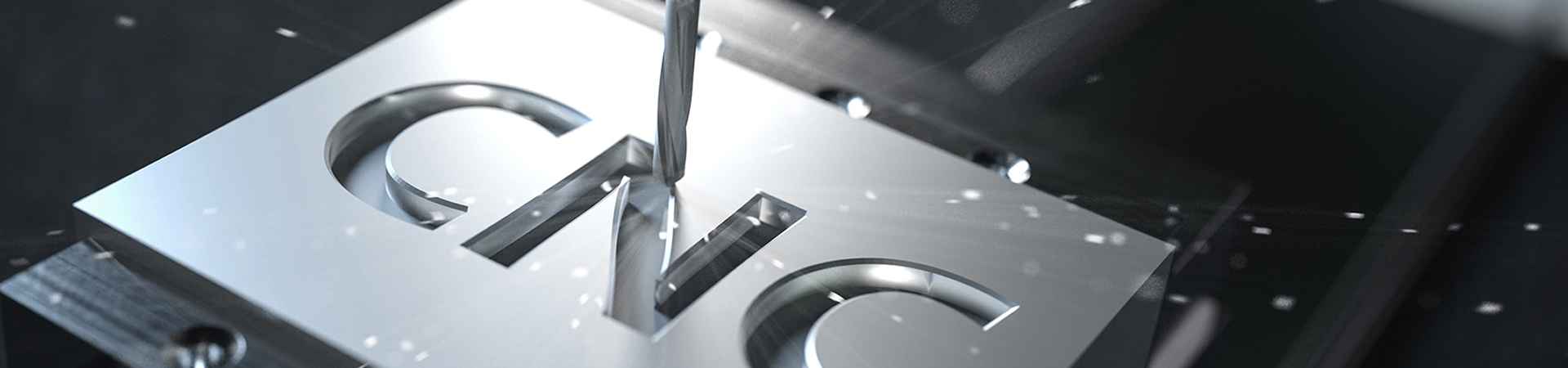
CNC (Computer Numerical Control) machining parts are widely used in the electronics industry due to their precision, versatility, and ability to handle complex designs. CNC machining refers to the use of computer-controlled machines to manufacture parts by removing material from a solid block, often metal or plastic. These parts are essential in the production of a variety of electronic devices, components, and systems.
Electronic equipment requires more than simply accurate metal parts. Enclosures must fit PCBs and connectors correctly, heat sinks need consistent dimensions for effective thermal contact, and small mounting or connector components must maintain repeatable tolerances across production batches.
We manufacture custom CNC machined electronic components based on customer drawings, including aluminum enclosures, heat sinks, electronic housings, chassis, brackets, mounting plates and other precision components.
Our CNC machining solutions support electronics manufacturers, equipment developers and OEM buyers from prototype verification through low-, medium- and volume production.
What Is CNC Machining for Electronics?
CNC machining for electronics refers to the manufacturing of precision metal components that support, protect, cool, and integrate electronic systems. These components play a critical role in ensuring the reliability, functionality, and structural integrity of electronic devices and assemblies.
What Makes Electronics CNC Machining Different?
Compared with general CNC machining, electronic applications place greater emphasis on dimensional accuracy, thermal management, electromagnetic shielding, connector alignment, and assembly compatibility. The machined component is typically not part of the electronic circuit itself, but rather the mechanical structure that enables the entire system to function effectively.
In electronic products, precision-machined metal parts are used to provide support, positioning, protection, and heat dissipation for sensitive assemblies. Common examples include electronic enclosures, heat sinks, chassis components, mounting brackets, connector housings, battery supports, shielding components, and testing fixtures. These parts help maintain structural stability, manage heat transfer, ensure accurate alignment, and improve overall system performance.
After electronic circuits and assemblies are completed, CNC machining is used to manufacture the high-precision metal components required for final product integration. Rather than creating circuit traces or electronic pathways, the process focuses on producing the structural and functional hardware that supports, protects, and interfaces with the electronic system. This combination of precision machining and electronic assembly enables the production of reliable, high-performance electronic equipment for a wide range of industries.
Applications in the Electronics Industry:
CNC Machined Electronic Components We Manufacture
Different electronic products require very different mechanical components. Instead of supplying standard parts, we manufacture components according to your drawings, material requirements, tolerances and surface specifications.
Typical components include:
● CNC Machined Aluminum Electronic Enclosures
Custom aluminum enclosures and cases for control systems, communication equipment, electronic instruments, power supplies and other electronic devices. CNC milling allows openings, pockets, threaded holes, connector positions and internal mounting features to be machined directly into the enclosure.
● CNC Aluminum Heat Sinks
Custom machined aluminum heat sinks for power electronics, LED systems, industrial controllers, communication equipment and other heat-generating devices. CNC machining is suitable for heat sink bases, mounting surfaces, holes, slots and other features requiring accurate dimensional control.
● Precision Aluminum Housings for Electronics
We machine aluminum housings for sensors, controllers, displays, cameras, measuring equipment and other electronic assemblies. Housing dimensions can be produced according to PCB layouts, interface positions and assembly requirements.
● CNC Machined Electronic Chassis
Custom aluminum and metal chassis can be manufactured for power supplies, industrial electronics, control units and communication equipment, including mounting holes, ventilation features, cable interfaces and assembly locations.
● CNC Connector Housings and Components
Precision machining can be used for connector shells, connector housings, terminal support components and other small mechanical parts where dimensional consistency affects assembly and connection reliability.
● PCB Mounting Plates and Frames
Custom CNC machined PCB mounting plates, support frames, spacers and structural components can be produced to match board dimensions, mounting points and equipment layouts.
● Electronic Equipment Brackets and Mounting Components
We manufacture CNC aluminum brackets, support plates, mounting blocks and structural parts used to fix PCBs, displays, sensors, power modules and other electronic assemblies.
Materials Available
We process a wide range of metals for electronic applications, including:
Aluminum 6061
Aluminum 5052
Aluminum 7075
Stainless Steel 304
Stainless Steel 316
Brass
Copper
Carbon Steel
Manufacturing Challenges in CNC Machining for Electronics
Electronic components often require extremely tight tolerances, precise assembly fit, and consistent dimensional accuracy. Parts such as enclosures, heat sinks, brackets, and shielding components must be machined to exact specifications to ensure reliable performance.
Additional challenges include managing heat dissipation, producing complex geometries, achieving high-quality surface finishes, and maintaining consistency across production volumes. Successfully meeting these requirements demands advanced CNC equipment, skilled engineering support, and strict quality control throughout the manufacturing process.
Manufacturing Capabilities
Why Choose Us as Your CNC Electronic Components Manufacturer?
Choosing an electronics machining supplier involves more than comparing the unit price of a CNC part. Buyers also need to consider machining consistency, material selection, surface finishing, inspection and the supplier's ability to support design revisions.
One Supplier for Multiple Electronic Components
Instead of sourcing heat sinks, enclosures, brackets and precision parts from different suppliers, buyers can consolidate multiple custom CNC electronic components into one manufacturing project.
Aluminum Machining Experience
Our aluminum machining capabilities support a wide range of CNC aluminum enclosures, heat sinks, chassis, housings and precision electronic components.
Prototype and Production Support
We support projects from initial prototype machining through repeated production, making it easier for electronics OEMs to retain the same manufacturing requirements as their products move toward commercialization.
Multiple Machining Processes
CNC milling, turning and multi-axis machining allow us to manufacture both simple mounting parts and complex electronic housings with multiple machined features.
Integrated Surface Finishing
Anodizing, sandblasting, polishing, powder coating, laser marking and other finishing processes can be incorporated into the manufacturing process according to the finished product requirements.
In summary, CNC machining offers the precision, repeatability, and flexibility required to meet the high standards of the electronics industry, making it an essential process for manufacturing a wide range of components in electronics.
Are you operating in this industry? Feel free to get a quote now !