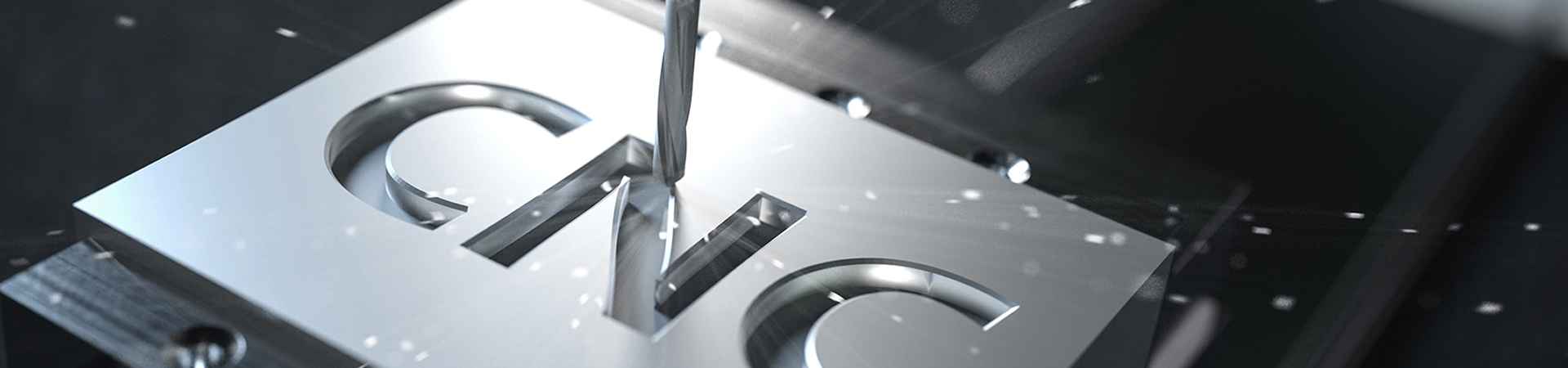
CNC (Computer Numerical Control) machining is a highly precise manufacturing process widely used in the medical industry to produce components with tight tolerances and complex geometries. Here’s a detailed look at how CNC machining is applied in the medical field:
Advantages of Using CNC Machining for Medical Industry
CNC machining plays a crucial role in medical manufacturing, where precision, reliability, and safety are critical. Its advanced capabilities make it ideal for producing high-quality medical devices and components.
7 Key Advantages of Machining Medical Parts
Precision and Accuracy
Delivers ultra-tight tolerances required for surgical instruments, implants, and other critical medical devices.
High Repeatability
Ensures consistent production of identical parts, reducing variability and improving reliability in healthcare applications.
Material Flexibility
Supports a wide range of materials, including biocompatible metals (titanium, stainless steel), plastics, and ceramics.
Customization Capability
Enables personalized solutions such as custom implants and prosthetics tailored to individual patient needs.
Reduced Production Time
Speeds up the process from prototyping to final production, helping meet urgent medical demands.
CAD/CAM Integration
Seamlessly converts digital designs into physical parts, improving design efficiency and reducing errors.
Minimized Human Error
Automated processes ensure consistent quality and enhance the safety and reliability of medical devices.
Applications of CNC Machining parts in Medical industry
1 High Precision and Accuracy
CNC machines offer high precision, which is crucial in the medical industry where small tolerances are required for safety and performance. Medical parts, such as implants, surgical instruments, and prosthetics, need to be manufactured with exact measurements to ensure they fit and function properly in the human body. CNC machining can produce parts with tolerances as tight as ±0.001 inches, making it ideal for such applications.
2 Types of Medical Parts Manufactured by CNC
1) Orthopedic Implants: Parts like hip joints, knee replacements, and dental implants are made using CNC machining. These components often need to be made from biocompatible materials such as titanium, stainless steel, and specialized polymers.
2) Surgical Instruments: CNC machining is used to manufacture a wide variety of surgical tools, including scalpels, forceps, and scissors. These tools must be extremely sharp, durable, and resistant to wear, which is achievable with CNC machining.
3) Prosthetics: Custom prosthetics, such as limbs and hearing aids, are often made with CNC machines. The machines allow for the precise creation of custom shapes and sizes that match the unique anatomy of patients.
4) Medical Devices: CNC machining is also used to produce parts for various medical devices, including pacemakers, infusion pumps, and diagnostic machines. These Cnc Machining for Medical Devices parts require high reliability and accuracy to function properly in critical medical applications.
3 Material Choices
CNC machining supports a wide range of materials that are essential in the medical field. These include:
1) Titanium: Known for its strength, corrosion resistance, and biocompatibility, titanium is commonly used in orthopedic implants and surgical tools.
2) Stainless Steel: This material is often used for surgical instruments and medical device components due to its strength, durability, and resistance to infection.
3) Polymers and Plastics: Biocompatible plastics such as PEEK (Polyetheretherketone) are used for non-load-bearing implants and devices like hearing aids.
4) Aluminum: Lightweight and corrosion-resistant, aluminum is used for some medical devices and instruments.
4 Customizability
CNC machining allows for the creation of custom parts tailored to individual patient needs. For instance, personalized implants or prosthetics can be produced using 3D scanning technology combined with CNC machining, which helps create models that precisely fit a patient's anatomy.
What Are the Important Considerations When Choosing Materials for Medical CNC Machining?
Selecting the right material for medical CNC machining is critical to ensuring device safety, performance, and durability. Each material must be carefully evaluated based on its intended application and operating environment.
Key Considerations
Biocompatibility (Long-Term Body Contact)
Materials used in implants or long-term applications must not cause adverse biological reactions. Options like titanium and medical-grade polymers are preferred for their safety and stability.
Chemical Resistance
Materials must withstand exposure to bodily fluids and sterilization chemicals without degrading, ensuring long-term functionality and patient safety.
Radiation Resistance
For devices sterilized using gamma rays or electron beams, materials must retain their properties after radiation exposure.
Sterilizability
Materials should endure repeated sterilization cycles (heat, chemicals, or radiation) without losing integrity or performance.
Drug Compatibility
In drug delivery systems, materials must be non-reactive to avoid affecting the efficacy or safety of medications.
Mechanical Performance (e.g., Artificial Joints)
Applications like joint replacements require materials with high strength, wear resistance, and biocompatibility, such as titanium or cobalt-chromium alloys.
Prosthetic Suitability
Prosthetic materials should balance lightweight design, strength, and flexibility while ensuring comfort and customization for users.
In summary, CNC machining plays a pivotal role in the medical industry by enabling the production of high-precision, reliable, and customizable parts. Its applications range from implants and prosthetics to surgical instruments and medical devices. The process's ability to handle complex geometries, use a wide variety of biocompatible materials, and maintain consistency makes it indispensable in ensuring patient safety and improving medical outcomes.
Are you operating in this industry? Feel free to get a quote now !