


Choosing the right CNC machined aluminum chassis can reduce heat, vibration, and assembly problems in electronic and industrial products. A well-designed aluminum enclosure protects circuit boards and power systems while keeping product weight low. For many buyers, an electronic equipment housing must also support EMI control, precise connectors, and easy maintenance. An industrial control enclosure needs the same accuracy, plus stronger protection against dust, oil, and repeated use.
Jixing manufactures custom aluminum CNC parts for overseas buyers, equipment makers, and distributors. This guide explains how to select materials, tolerances, surface finishes, and production methods for a reliable chassis. It also answers common questions about cost, lead time, cooling, shielding, and quality inspection.
1. What Is a CNC Machined Aluminum Chassis?
A CNC machined aluminum chassis is a structural frame or housing made from an aluminum block, plate, or extrusion. Computer-controlled cutting tools remove material to create mounting holes, pockets, slots, cable ports, cooling channels, and connector openings.
The chassis may hold a circuit board, battery, sensor, power supply, display, communication module, or industrial controller. Unlike a simple sheet metal cover, CNC machining can produce deep pockets and accurate features in one main body. This reduces the number of loose parts and improves alignment during assembly.
Typical applications
- Industrial automation controllers
- Robotics and motion control systems
- Medical and laboratory instruments
- Telecommunication and networking equipment
- Power electronics and battery systems
- Test and measurement devices
- Marine, transport, and outdoor electronics
2. Why Aluminum Is a Strong Choice for Electronic Equipment
Aluminum offers a useful balance of low weight, strength, thermal performance, and corrosion resistance. The final result depends on the alloy, wall thickness, design, machining method, and surface treatment.
| Property | Why It Matters | Common Result in a Chassis |
|---|---|---|
| Low density | Reduces product weight | Easier transport and installation |
| Thermal conductivity | Moves heat away from components | Lower enclosure temperature |
| Machinability | Supports accurate cutting | Clean holes, pockets, and threads |
| Natural oxide layer | Improves basic corrosion resistance | Better use in normal indoor conditions |
| Electrical conductivity | Can support grounding and shielding | Useful for EMI controlled designs |
Common aluminum alloys
6061-T6 is a common general-purpose choice. It offers good strength, good machinability, and a wide range of anodizing options. It is suitable for control boxes, instrument frames, and structural electronic housings.
6063 is often selected for extruded shapes and attractive surface finishes. It works well when the chassis starts as an extrusion and receives CNC machining after cutting.
7075 provides higher strength than 6061 but usually costs more. It is useful for demanding structural parts where low weight and high strength are important. The correct alloy should be confirmed with the product load, heat, and corrosion requirements.
3. The Seven Design Features That Control Performance
1. Wall thickness and rib structure
Thin walls reduce weight but may bend during machining or assembly. Thick walls improve stiffness but increase material use and cycle time. Many small equipment housings use walls between 2 mm and 5 mm, but the best value depends on the chassis size and load.
Internal ribs can increase stiffness without adding a solid block of material. Ribs should have suitable fillets at their bases. Sharp internal corners can increase cutting time and create stress concentration.
2. Heat dissipation
Heat-producing components need a direct thermal path to the chassis. A flat mounting pad, thermal interface area, or external fin can transfer heat from a power device into the aluminum body.
For a reliable design, provide enough flatness at the heat source area. Also leave room for thermal pads, screws, and airflow. A chassis can act as a passive heat sink, but its performance depends on surface area, contact quality, air movement, and the total heat load.
3. Connector and cable access
Connector openings should include the correct width, height, corner radius, and assembly clearance. A small error can prevent a plug from entering or place stress on the circuit board.
Plan cable ports before machining begins. Consider cable bend radius, strain relief, sealing gaskets, and service access. Slots for cable ties or clamps can be machined into the chassis when the design requires them.
4. Mounting and internal alignment
Standoffs, threaded holes, guide pins, and locating pockets keep the circuit board in the correct position. Use a clear datum system so that all critical features are measured from the same reference surfaces.
For repeated assembly, use generous lead-in features where possible. This helps operators install the board without scraping the anodized surface or damaging connectors.
5. EMI and grounding needs
An aluminum chassis can help reduce electromagnetic interference when the design creates a continuous conductive path. The cover, base, screws, gaskets, and grounding points must work together.
Anodizing improves appearance and corrosion resistance, but the anodized layer is not conductive in the same way as bare aluminum. If grounding is required, specify masked contact areas, conductive coating, grounding screws, or a separate conductive gasket.
6. Environmental protection
Dust, water, oil, vibration, and temperature changes can shorten equipment life. The chassis design may include an O-ring groove, gasket seat, drain path, vent, or sealed connector opening.
Do not claim an IP rating from the machined body alone. The completed product must be tested with its cover, gasket, fasteners, cable glands, and connectors. The enclosure design should match the required environment before production begins.
7. Service and repair access
Technicians need access to boards, fuses, batteries, and connectors. A removable cover with captive screws can reduce maintenance time. Avoid placing fasteners behind permanent parts or designing deep pockets that block hand tools.
A service-friendly chassis can reduce downtime during field repair. This benefit is often more valuable than a small reduction in material cost.
4. CNC Machining Process for an Aluminum Chassis
A clear production process helps overseas buyers control quality, cost, and delivery. Jixing can review drawings, 3D files, materials, finishes, and inspection points before machining.
- Design review: Check walls, corners, holes, threads, tolerances, and assembly access.
- Material confirmation: Confirm the alloy, temper, material certificate needs, and blank size.
- CAM programming: Create tool paths for roughing, finishing, drilling, tapping, and inspection datums.
- Rough machining: Remove excess material while leaving stock for accurate finishing.
- Finish machining: Produce critical dimensions, flat surfaces, connector openings, and threads.
- Deburring and cleaning: Remove sharp edges, chips, and cutting fluid residue.
- Surface treatment: Apply anodizing, powder coating, chemical conversion, or another approved finish.
- Inspection and packing: Check dimensions, appearance, threads, finish, and quantity before shipment.
Flow chart: Design review - Material confirmation - CNC programming - Rough machining - Finish machining - Deburring - Surface treatment - Final inspection - Export packing
How production data affects cost
Cost is usually influenced by material volume, machining time, tool changes, tolerance level, surface area, finishing method, order quantity, and inspection requirements. A deep narrow pocket may take more time than a larger open pocket because it requires smaller tools and more passes.
For stable pricing, provide a 2D drawing with tolerances and a 3D model for shape reference. Also state the annual demand, trial quantity, target finish, packaging method, and required delivery date.
5. CNC Machining Compared With Other Chassis Methods
| Method | Main Strength | Common Limitation | Best Use |
|---|---|---|---|
| CNC machining | High accuracy and strong structure | Higher cost for very large volumes | Custom, low and medium volume housings |
| Sheet metal forming | Fast for large flat panels | Needs bends, welded parts, or inserts | Large cabinets and simple covers |
| Die casting | Efficient for high volume | Requires tooling investment | Large repeat production programs |
| Aluminum extrusion | Good for long repeated profiles | Cross-section must remain consistent | Frames and rail-mounted housings |
| Plastic injection molding | Low unit cost at high volume | Lower heat and structural performance | Lightweight consumer and control covers |
CNC machining is often the best starting method when the design is still changing or when the chassis needs accurate internal pockets. Once annual volume becomes high and the design is stable, die casting or extrusion may reduce unit cost.
6. Surface Finishes for Aluminum Chassis
Anodizing: Anodizing improves corrosion resistance and gives the aluminum a controlled color. Black, natural, red, blue, and other colors may be available. The finish can also improve surface hardness, but color variation may occur between batches.
Chemical conversion coating: This coating can provide corrosion protection while keeping electrical contact areas more practical than a thick insulating finish. It is often considered when grounding or EMI performance is important.
Powder coating: Powder coating creates a thicker decorative and protective layer. It offers many colors but can hide fine machining marks and add thickness to holes, threads, and mating areas.
Brushing and bead blasting: These are appearance preparation methods. They create a uniform visual texture before anodizing or another coating. The specified texture should be approved with a sample when appearance is important.
7. Tolerances and Quality Inspection
Not every feature needs the same tolerance. A connector opening, board locating pin, and sealing groove may require tighter control than an external nonfunctional surface. Over-tolerancing increases machining time and inspection cost.
| Feature | Typical Control Focus | Inspection Method |
|---|---|---|
| Overall length and width | Fit with covers and brackets | Caliper, micrometer, or CMM |
| Mounting holes | Position and diameter | Pin gauge, CMM, or optical tool |
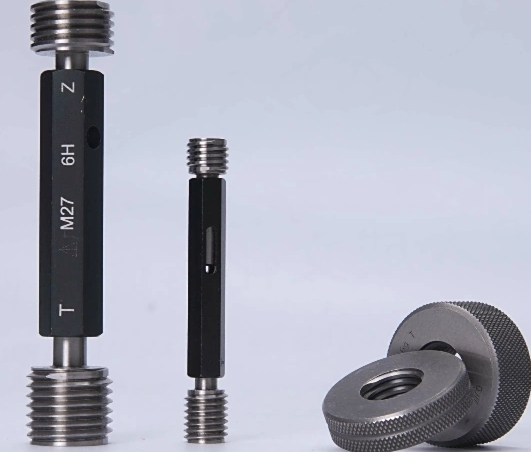
| Threaded holes | Thread size and depth | Go and no-go gauge |
| Heat transfer surface | Flatness and roughness | Surface plate and roughness tester |
| Finish | Color, texture, and coating coverage | Visual check and coating test |
Many standard CNC features can be made within about 0.05 mm when the drawing, material, machine, and process support it. Tighter values such as 0.01 mm should be requested only for functional features and confirmed during design review. The actual tolerance must always follow the approved drawing and inspection plan.
8. How Overseas Buyers Can Choose a CNC Supplier
Ask the supplier to confirm five basic points: material control, machining capability, surface treatment management, inspection equipment, and export packing. A supplier should be able to explain how it protects finished surfaces and prevents damage during transport.
Before placing a large order, request a design review or prototype. Check the fit of the board, cover, connectors, screws, seals, and heat-transfer parts. A prototype can reveal assembly problems before they affect thousands of units.
Buyer checklist
- Send both 2D drawings and 3D CAD files.
- Mark critical dimensions and reference datums.
- Specify aluminum alloy and temper.
- Define finish color, texture, and masking areas.
- State the required EMI, grounding, or sealing function.
- Confirm sample approval and inspection documents.
- Define quantity, packaging, and delivery terms.
9. Frequently Asked Questions
Can CNC machining make a complete aluminum electronic enclosure?
Yes. A complete enclosure may include a machined base, cover, internal brackets, heat sink areas, connector panels, and threaded holes. Some products use CNC machining for the main body and sheet metal or extrusion for larger covers.
Is a machined aluminum chassis better for cooling than a plastic housing?
Aluminum usually transfers heat more effectively than plastic. However, the final cooling result depends on component contact, thermal interface material, surface area, airflow, and the heat load. Material alone does not guarantee a lower operating temperature.
How can I reduce the price of a CNC machined chassis?
Use standard tool sizes, avoid unnecessary tight tolerances, reduce deep pockets, add suitable internal radii, combine parts when practical, and order a stable batch quantity. A design-for-manufacturing review before quotation can often remove hidden machining time.
What information is needed for an accurate quotation?
Send the 3D model, 2D drawing, material, finish, quantity, tolerance requirements, inspection needs, packaging instructions, and target delivery date. Photos or samples of the final appearance are useful when color or texture matters.
Does anodizing change chassis dimensions?
Yes. Anodizing adds a controlled surface layer and may affect small holes, threads, and sliding fits. Critical contact areas can be masked or adjusted in the machining plan. The finish thickness should be confirmed before production.
Conclusion: Build a Chassis Around Heat, Fit, and Service Life
A CNC machined aluminum chassis should do more than cover electronic parts. It should support heat transfer, accurate assembly, cable access, EMI control, environmental protection, and future service. The most reliable design uses the correct alloy, practical wall thickness, clear datums, controlled tolerances, and a finish that matches the electrical and environmental requirements.
Jixing helps overseas buyers develop custom aluminum CNC housings from drawing review to final inspection. Share your chassis design, required quantity, material, finish, and application conditions to start a practical manufacturing review.


