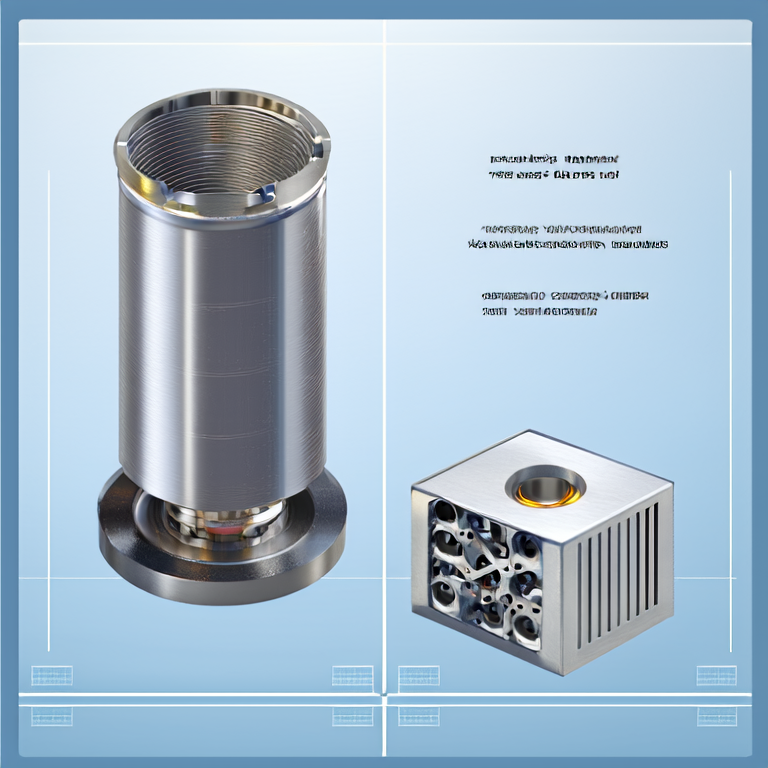
Understanding CNC Turning and Its Key Features
What is CNC Turning?
CNC turning is a manufacturing process that involves rotating a workpiece against a cutting tool to produce precise cylindrical parts. This method is widely used for components such as shafts, hubs, and other round features.
Core Parameters of CNC Turning
- Rotation Speed
- Tooling Options
- Material Compatibility
- Size and Complexity of Parts
Exploring CNC Milling and Its Applications
What is CNC Milling?
CNC milling is a process where a rotating cutting tool moves through the material to create various shapes and features. It is ideal for producing flat surfaces, slots, and complex geometries.
Core Parameters of CNC Milling
- Feed Rate
- Tool Path Options
- Material Flexibility
- Precision Levels
Comparison of CNC Turning and CNC Milling
Advantages of CNC Turning
- High efficiency in producing cylindrical shapes
- Less material waste
- Suitable for high-speed production of parts
Advantages of CNC Milling
- Versatile for various shapes and designs
- Lower tool wear rate
- Capability for multi-axis machining
Disadvantages of CNC Turning
- Limited to round and cylindrical parts
- Less flexibility for intricate designs
Disadvantages of CNC Milling
- Typically slower for production compared to turning
- Higher material waste in some processes
Core Parameter Comparison Table
| Parameter | CNC Turning | CNC Milling |
|---|---|---|
| Workpiece Shape | Cylindrical | Complex shapes |
| Production Speed | High | Moderate |
| Material Type | Metal, plastic | Metal, plastic, wood |
Choosing the Right Technology for Your Needs
Suggestions for CNC Turning
CNC turning is ideal for production runs of cylindrical parts, particularly when high speed and efficiency are paramount. This process is suitable for industries such as automotive, aerospace, and manufacturing.
Suggestions for CNC Milling
If you require intricate components or want to work with various shapes, CNC milling is the best choice. It is particularly effective for applications in prototyping, custom procedures, and specialized component manufacturing.
Conclusion: Making the Best Choice for CNC Turning Parts
When deciding between CNC turning and milling, consider the geometry of your parts, production volume, and material requirements. Both processes offer unique advantages and limitations. At Jixing, we provide comprehensive solutions for CNC turning parts that cater to your specific needs, ensuring quality and precision in every component manufactured.