


1. Enhanced Precision in Cutting
Understanding the Precision of Laser Cutting
Laser cutting utilizes a focused beam of light to slice through metal, leading to precise cuts with minimal kerf. This precision reduces waste significantly, allowing for more efficient use of material.
Applications of Precision Cutting
Industries such as automotive, aerospace, and electronics benefit from the accuracy laser cutting offers, ensuring components fit perfectly and reducing the need for further machining.
2. Increased Speed in Production
The Speed of Laser Cutting Operation
Laser cutting operates at high speeds, allowing for rapid cutting of materials. This leads to shorter lead times and faster turnaround between projects.
Steps for Leveraging Speed in Production
- Evaluate your current cutting methods.
- Invest in a high-speed laser cutting machine.
- Train your staff on efficient operation techniques.
- Implement a streamlined workflow for material handling.
3. Cost Reduction Over Time
Understanding Initial vs. Long-Term Costs
While the upfront investment in laser cutting technology may be higher, the reduction in waste, labor, and time translates to significant savings over time.
Tools Required for Cost Efficiency Analysis
- Cost analysis software
- Data on material waste levels
- Labor cost assessments
4. Versatility in Material Handling
Types of Materials Laser Cutting Can Handle
Laser cutting can work with various materials, including metals, plastics, wood, and composites, making it an adaptable solution for diverse projects.
Steps to Ensure Material Compatibility
- Research the specifications of your laser cutting machine.
- Select materials based on your project requirements.
- Test cuts before large production runs.
5. Minimizing Post-Processing Work
Benefits of Reduced Post-Processing
Due to the clean edges produced by laser cutting, the need for additional finishing work is minimized, saving time and resources.
Common Mistakes to Avoid in Post-Processing
- Assuming all materials behave the same post-cutting.
- Neglecting to inspect cuts for quality before processing.
6. Improved Safety Standards
Understanding Safety Features of Laser Cutting
Modern laser cutting machines are equipped with safety features such as enclosures and safety shut-offs, which help mitigate risks associated with cutting operations.
Steps to Enhance Safety During Operations
- Conduct regular safety training for staff.
- Ensure all safety equipment is functional before operation.
- Regularly maintain and inspect laser cutting machines.
7. Environmental Benefits of Laser Cutting
Eco-Friendly Operations with Laser Cutting
By reducing waste and energy consumption, laser cutting contributes positively to environmental goals within manufacturing processes.
Steps to Implement Environmentally-Friendly Practices
- Monitor energy usage of your laser cutting equipment.
- Establish a waste management system for scrap materials.
- Opt for sustainable materials whenever possible.
8. The Role of Technology in Laser Cutting
Advancements in Laser Cutting Technology
Recent innovations in laser technology enhance capabilities, including faster processing speeds, improved cut quality, and greater reliability.
Steps to Stay Updated with Technological Advances
- Follow industry news and updates on laser cutting technologies.
- Attend workshops and trade shows to view new models and innovations.
- Invest in machine upgrades when beneficial to operations.
In conclusion, incorporating laser cutting into metal fabrication processes can greatly enhance efficiency and productivity. Jixing specializes in advanced laser cutting solutions, offering the latest technology to meet your fabrication needs. For more information and resources, please visit our website or check out the following image: 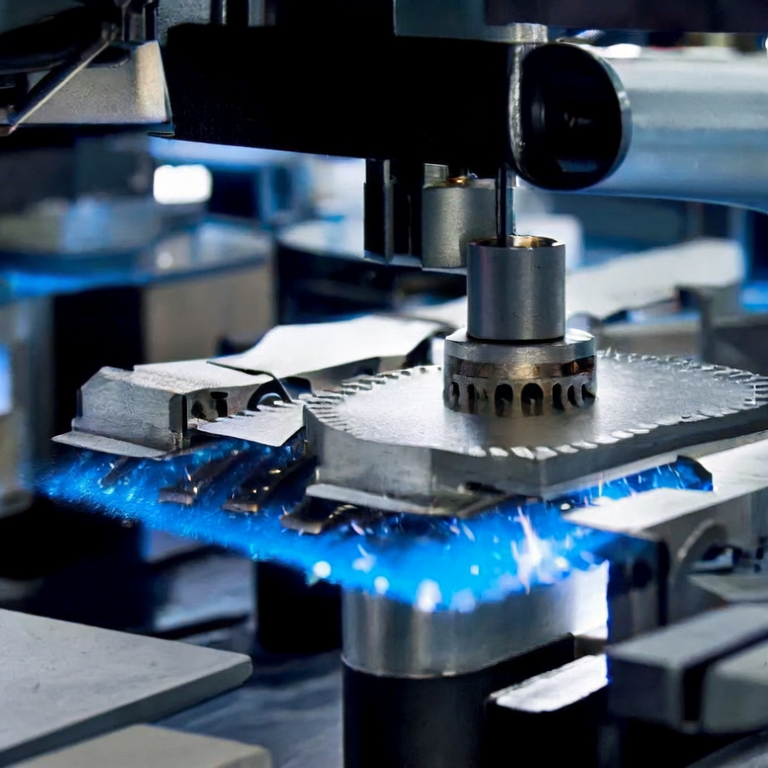 Laser Cutting Parts">


