


In the rapidly evolving world of manufacturing, the significance of Machining Parts cannot be overstated. These components are essential for creating precision tools and equipment that meet stringent industry standards. Recent studies indicate that industries leveraging advanced machining techniques experience, on average, a 25% increase in production efficiency. Furthermore, companies that integrate high-quality machining parts report a 30% reduction in operational costs. Understanding the importance of machining parts, their applications, benefits, and the solutions they provide is critical for manufacturers aiming to enhance their operations and product quality.
Definition of Machining Parts
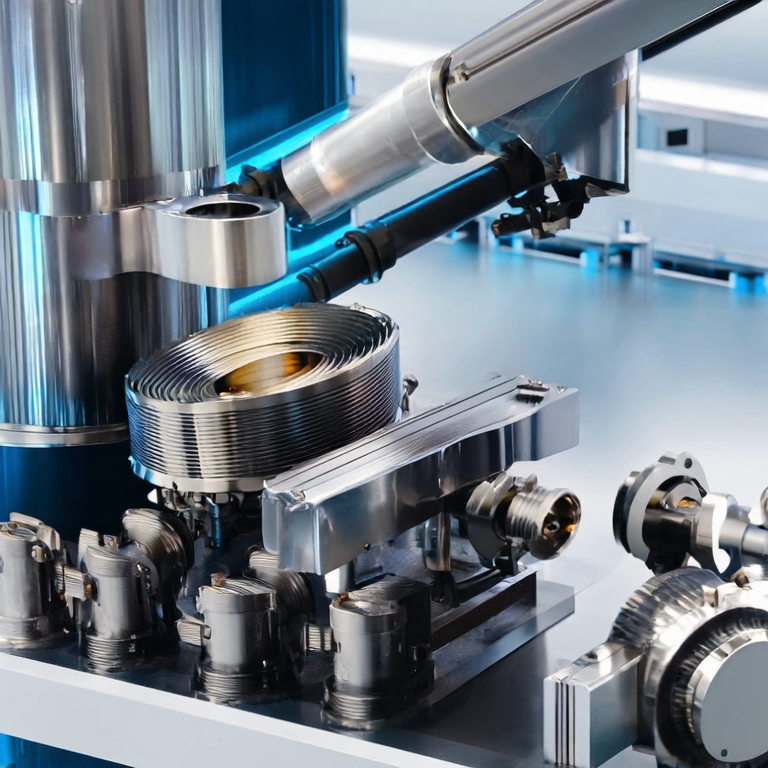
Machining parts are components created through various manufacturing processes that typically involve the cutting, shaping, and finishing of materials such as metal, plastic, or wood. Common machining processes include turning, milling, drilling, and grinding. Each of these methods uses precise tools to remove material and create a finished product that adheres to specific tolerances. According to the American Society of Mechanical Engineers (ASME), the precision of machined parts can reach tolerances of ±0.001 inches, which is essential for high-stakes applications in industries like aerospace and medical device manufacturing.
Industry Term Analysis
-
CNC Machining: Computer Numerical Control machining allows for enhanced precision and automation in the machining process. It is widely used across various sectors to produce consistent and repeatable parts.
-
Tolerance: This refers to the permissible limit of variation in a physical dimension. Exact tolerances are critical in ensuring parts fit together correctly in assembled products.
-
Feed Rate: This combines the cutting speed of the machine tool and how fast the tool moves into the material. Optimal feed rates can significantly improve the machining process efficiency.
Application Scenarios for Machining Parts
Machining parts are used in a wide array of industries, each demanding high precision and reliability:
-
Automotive Industry: Machined components are instrumental in producing engine parts, transmission systems, and brake components, which require durability and precision.
-
Aerospace Sector: Components such as turbine blades, fuselage parts, and other critical aircraft components are machined to perfection to ensure safety and performance.
-
Healthcare: Surgical instruments, orthopedic implants, and diagnostic devices rely heavily on precision machining to maintain safety and functionality in critical medical applications.
-
Electronics: Machining is essential for creating housings, lids, and other intricate parts that protect electronic devices.
Brief Description of Advantages
The significance of machining parts lies in their ability to deliver high-quality, reliable components that enhance manufacturing processes. The advantages of utilizing machining parts include:
-
Precision: Machining provides unmatched accuracy and repeatability, often achieving tolerances as tight as ±0.0001 inches.
-
Material Versatility: Machining can work with various materials, including metals, plastics, composites, and ceramics, meeting diverse industrial needs.
-
Scalability: Machining processes can be scaled from small batches to large productions without significant changes in setup, making it cost-effective for varying production needs.
-
Complex Geometries: Advanced machining techniques allow manufacturers to create complex shapes and designs that are critical to modern technology applications.
Next Steps for Users
To fully understand the potential of machining parts, we recommend reading the user guide provided by your manufacturer. Familiarize yourself with the specific components relevant to your industry, the capabilities of various machining processes, and best practices for implementation.
For those keen on exploring high-quality machining solutions, consider brands like Jixing, which specialize in producing precision machining components tailored to meet rigorous industry standards.
FAQ
What are the common materials used for machining parts?
Common materials include steel, aluminum, brass, and various plastics. The choice of material often depends on the application and desired properties of the final product.
How can I determine the right machining process for my needs?
Assess your project's requirements regarding material, precision, volume, and complexity. Consulting with machining experts can provide tailored insights.
What is the typical lead time for machining parts?
Lead times vary based on complexity and order volume, but generally range from several days to weeks. It’s advisable to discuss timelines during the ordering process.
How can I improve the quality of my machining parts?
Utilizing state-of-the-art technology, adhering to strict quality control processes, and providing adequate training for machine operators are effective strategies to enhance part quality.
Understanding the importance of machining parts is vital for anyone involved in manufacturing. By leveraging high-quality components and optimizing machining techniques, businesses can significantly improve their production outcomes. For more detailed information, consider diving into technical resources or expert consultations to further advance your machining capabilities.


