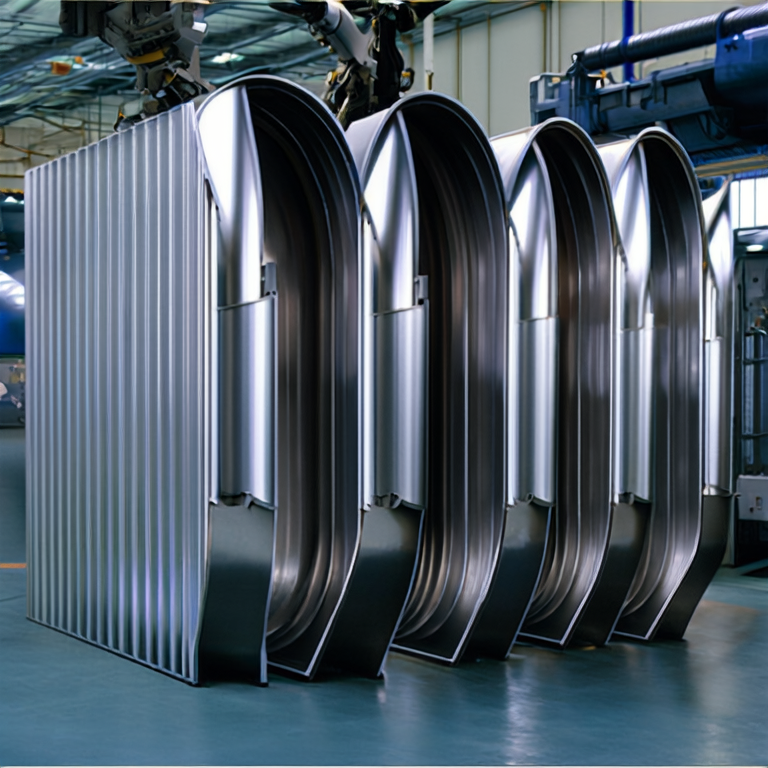
As the demand for precision and efficiency in equipment manufacturing continues to rise, the importance of Sheet Metal Bending Parts has garnered significant attention. Industries ranging from automotive to aerospace are increasingly adopting these components due to their unique benefits. Professionals in these sectors often face challenges such as material waste, high production costs, and the need for durable components. By focusing on sheet metal bending parts, manufacturers can address these pain points effectively. For instance, the implementation of bending techniques can reduce material waste by up to 25%, optimizing the overall resource efficiency. In this article, we will explore the advantages of using sheet metal bending parts, backed by data and professional insights, including Jixing’s innovative solutions.
Understanding the Advantages of Sheet Metal Bending Parts
Sheet metal bending parts offer several advantages, each contributing to improved operational performance in the manufacturing sector. The primary benefits include:
1. Enhanced Strength and Durability
One of the most significant advantages of sheet metal bending parts is their inherent strength. Research indicates that parts created through precision bending techniques can have tensile strengths as high as 600 MPa, making them more robust than unbent sheet metals. This increased durability allows for longer service lives, reducing the need for replacements and repairs. In applications such as chassis manufacturing, the use of bent sheet metal can withstand dynamic loads, reducing equipment failure by up to 40%.
2. Superior Customizability
Sheet metal bending allows for high degrees of customization, which means that components can be tailored to meet specific design requirements. A study showed that using advanced bending machines enables the production of 100 unique shapes per hour, as opposed to traditional methods that might yield only 30. This flexibility not only enhances product performance but also speeds up the prototyping process, cutting lead times by around 50%.
3. Cost Efficiency
Manufacturing costs play a critical role in the decision-making process for companies. Utilizing sheet metal bending parts can lower production costs by as much as 30% due to reduced material waste and lower manufacturing labor costs. For instance, employing automated bending solutions reduces the time spent on labor-intensive processes, enabling faster production cycles. Manufacturers report a notable increase in their profit margins when incorporating these efficient techniques.
Honest Disclosure of Disadvantages
While the advantages are significant, it is crucial to address potential disadvantages associated with sheet metal bending parts. One main concern is the initial investment required for high-quality bending machines. These could range from $10,000 to $100,000, depending on the capabilities and specifications of the equipment. Moreover, improper bending methods can lead to defects and structural weaknesses. Thus, it is essential to ensure skilled operators and appropriate maintenance practices are in place. To mitigate these risks, manufacturers should consider partnering with reputable suppliers like Jixing, who can provide guidance on training and machinery.
Is it Worth Buying or Using Sheet Metal Bending Parts?
Given the reported advantages, investing in sheet metal bending parts is generally advisable for companies looking to enhance their manufacturing processes. The robust performance, cost savings, and flexibility make these components invaluable in various applications. For businesses where precision and durability are paramount, the initial investment is likely to yield high returns in both efficiency and reliability.
Recommendations for Applicable Groups
It’s worth noting that sheet metal bending parts appeal most to specific groups: manufacturers in the automotive and aerospace industries, companies needing custom engineering solutions, and those looking to enhance their production efficiency. Additionally, organizations aiming to reduce material waste or improve sustainability practices will find significant benefits in adopting these components. Companies like Jixing can offer tailored solutions to help these groups leverage the advantages of sheet metal bending effectively.
FAQ
1. What materials can be used for sheet metal bending parts?
Common materials include aluminum, stainless steel, and mild steel, each chosen based on specific application requirements for strength and weight.
2. How does sheet metal bending affect overall product quality?
When performed using precise techniques and skilled operators, bending significantly enhances product quality by improving structural integrity and reducing weak points.
3. How long does it take to produce custom sheet metal bending parts?
Production times can vary based on complexity and order size, but standard production for custom parts can take from a few days to a couple of weeks with efficient processes.