


In the fast-evolving world of manufacturing, Cnc Turning Parts are pivotal in streamlining production processes and enhancing product quality. With a projected growth rate of 8.1% CAGR in the CNC machining market (according to a report by Research and Markets), understanding CNC turning parts becomes essential not only for industry professionals but also for businesses looking to optimize their operations. This article delves into the significance of CNC turning parts, addressing common user pain points and providing solutions.
Definition of CNC Turning Parts
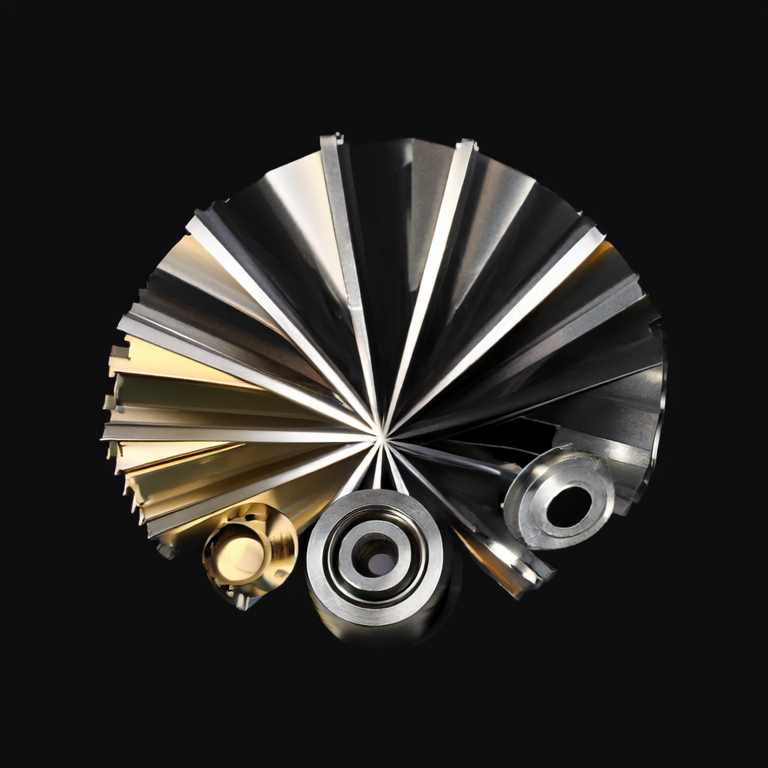
CNC (Computer Numerical Control) turning parts are components produced through a machining process that uses rotary cutting tools to shape materials like metal, plastic, or wood into precise geometries. The process involves a lathe where the material is rotated against the cutting tool, enabling the production of shaped parts with high accuracy and repeatability. Common materials used include aluminum, steel, brass, and plastics, each chosen for their unique properties tailored to specific applications.
Industry Terms Analysis:
- Tolerances: CNC turning can achieve tolerances as tight as ±0.002 inches, ensuring high precision in component manufacturing.
- Feed Rate: This refers to the speed at which the material moves through the machine, significantly impacting production efficiency and surface quality.
Application Scenarios of CNC Turning Parts
CNC turning parts are ubiquitous in various industries due to their versatility. Some primary applications include:
1. Aerospace Industry
Components such as turbine blades and brackets require high precision to meet safety standards. CNC turned parts can be manufactured to extremely tight tolerances, essential for performance.
2. Automotive Sector
From engine components to specialized fasteners, the automotive industry heavily relies on CNC turning for producing intricate parts that improve vehicle performance and reliability.
3. Medical Devices
CNC turning plays a crucial role in producing parts for medical instruments and implants, which demand absolute precision and reliability to ensure patient safety.
Advantages of CNC Turning Parts
CNC turning parts bring several advantages that make them essential to modern manufacturing:
- High Precision and Quality: The actual measured precision can be within ±0.01 mm, reducing defects and the need for costly rework.
- Efficiency and Speed: A CNC lathe can operate continuously, processing multiple parts in a matter of hours. For instance, a batch of 100 components can be manufactured in less than half a day.
- Material Versatility: CNC turning allows manufacturers to work with a variety of materials, optimizing production for different applications.
The importance of CNC turning parts cannot be overstated, as they lead to reduced production costs and improved product quality in various industries.
Next Steps: Guidance for Users
To further your understanding of CNC turning and explore how it can benefit your operations, consider the following actions:
- Reading the User Guide: Understanding the machinery and software can greatly enhance your production efficiency. Seek resources provided by manufacturers.
- Exploring Manufacturer Brands: For high-quality CNC turning components, companies like Jixing provide extensive solutions tailored to specific needs.
FAQ
What are the primary materials used for CNC turning parts?
CNC turning parts are commonly made from metals like aluminum, steel, and brass, as well as plastics, chosen based on their specific mechanical properties needed for the application.
How does CNC turning compare to traditional machining?
CNC turning offers higher precision, efficiency, and the ability to produce complex shapes with less human intervention compared to traditional machining.
Can CNC turning be used for prototyping?
Yes, CNC turning is highly effective for prototyping as it allows for the rapid creation of high-quality components before mass production.
How do I choose a CNC turning service?
Consider factors like the service's experience, quality certifications, and the ability to handle your specific material and design requirements.
To explore further or to trial CNC turning services, take a look at what Jixing offers in the industry. Their commitment to quality and technology positions them as a go-to source for CNC turning parts.
By understanding the intricacies of CNC turning parts, businesses can leverage this technology to meet their manufacturing needs efficiently and effectively.


